.svg)

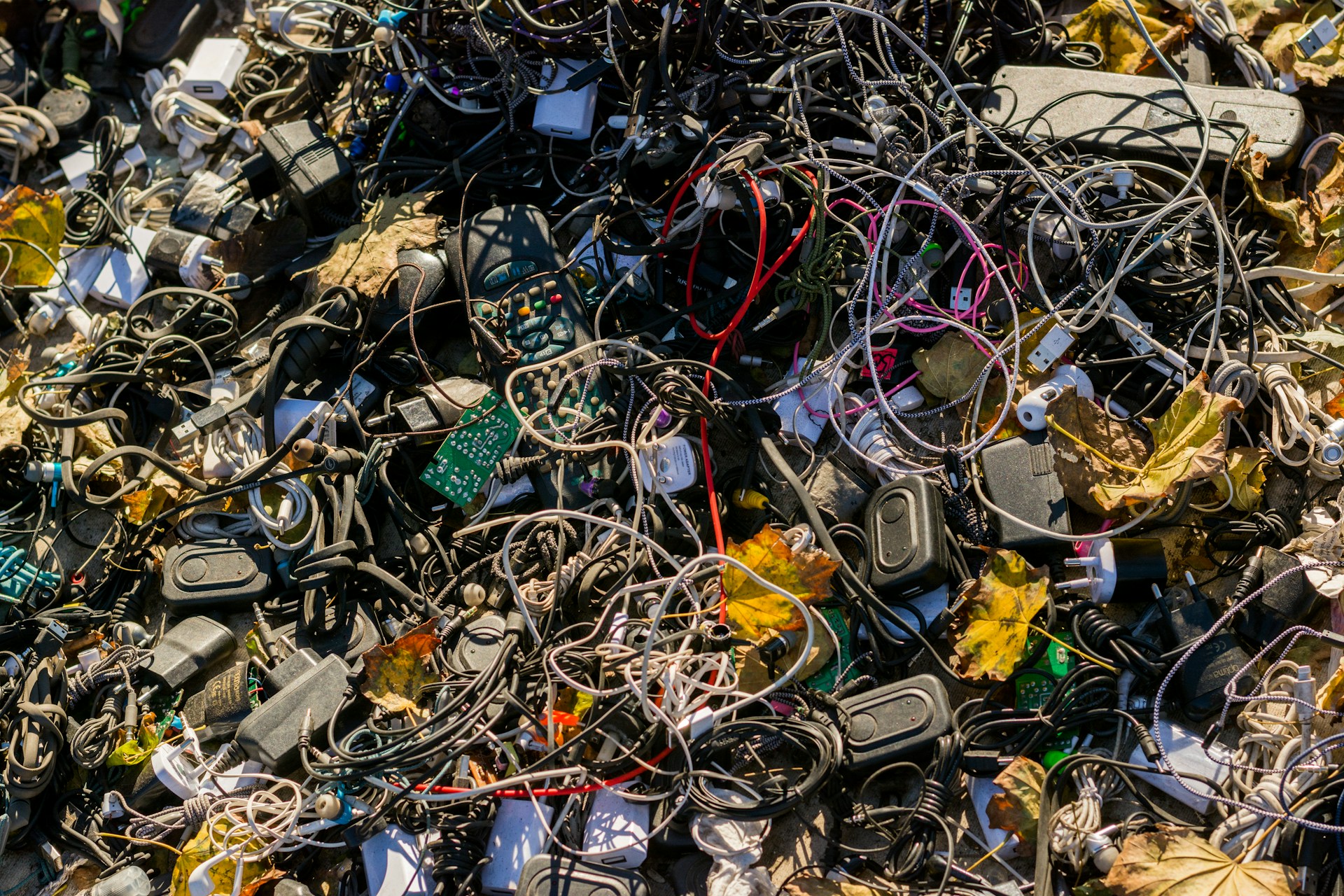
Globally, electronic waste, or WEEE (Waste Electrical and Electronic Equipment), is a rapidly growing problem. According to the United Nations, in 2023, an average of 8 kilograms of WEEE per person will be generated worldwide, totalling around 61.3 million tonnes. Yet, only 17.4% of this e-waste is properly collected, treated, and recycled. The remaining 50.6 million tonnes will end up stacked in attics, garages and drawers, dumped in landfills, burned, traded illegally, or processed poorly.
Europe leads the world in e-waste recycling efforts, driven by the WEEE Directive, which has progressively increased collection targets, from 45% in 2016 to 65% from 2019 onward. Despite this leadership, in 2022, only 40.1% of e-waste in Europe was officially collected and recycled, equivalent to 11.2 kg per inhabitant. However, it is worth noting that collection rates do not automatically mean circular behaviour is being encouraged. Some countries prioritise repair and refurbishment, which extends product life rather than immediately recycling components into raw material streams.
As a response to this pressing issue, the EU’s Critical Raw Materials Act (CRM Act), introduced in 2023 with targets set for 2030, aims to source a greater share of minerals domestically and through recycling. Targets include:
A survey by the Royal Society of Chemistry focusing on UK households found that over half have at least one unused electronic device, with 45% of homes holding up to five such gadgets. Extrapolated, this could mean as many as 40 million unused devices lying idle. Across the EU, between 25% and 50% of Europeans keep their old, unused devices, and in some cases, the total number of stored devices can exceed the population, depending on the source and geographic scope. In 2024, 51% of EU individuals aged 16 to 74 reported simply keeping their old mobile phones in their households.
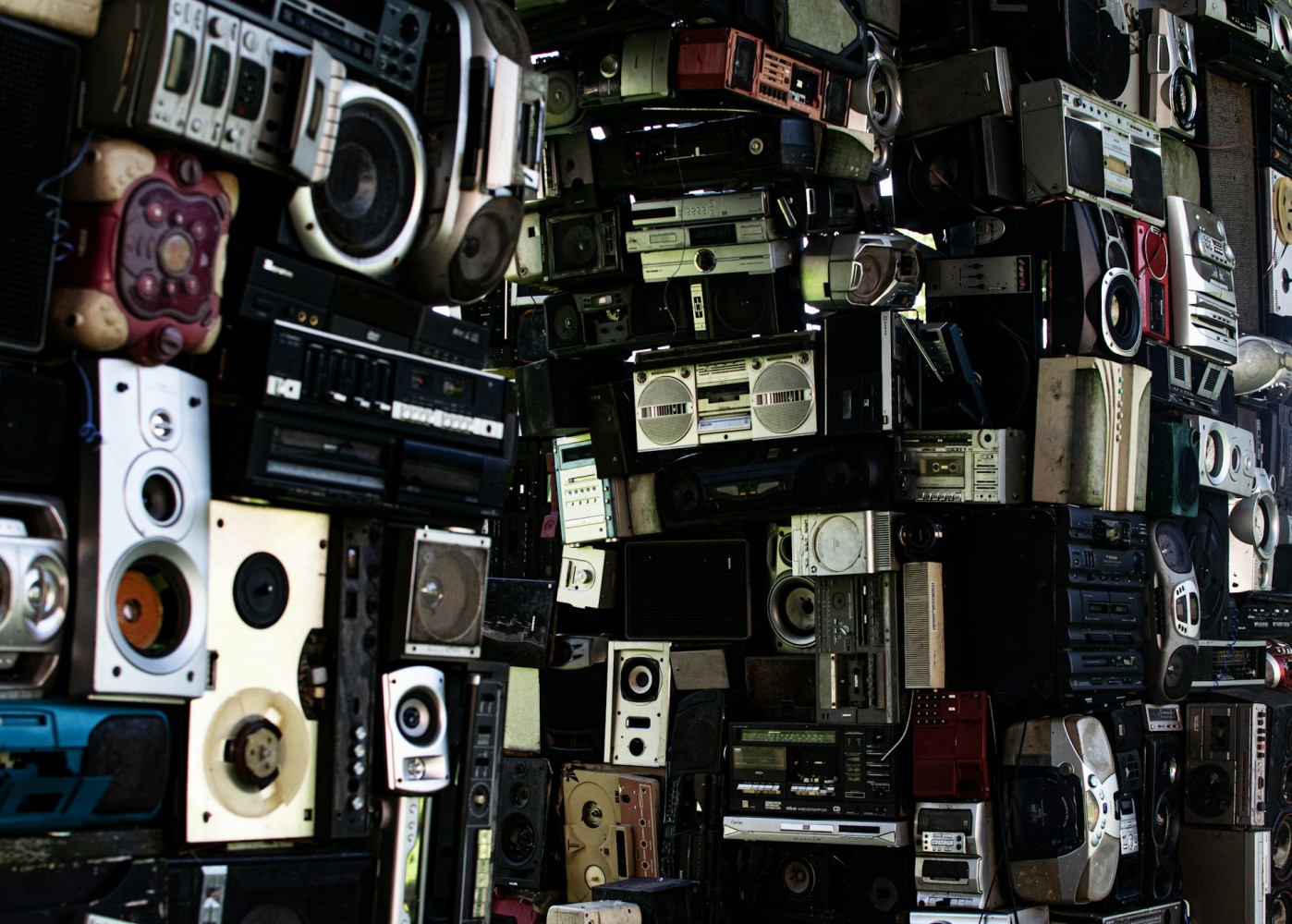
Despite well-established collection systems for Waste Electrical and Electronic Equipment (WEEE) across the EU, such as kerbside collection and retailer take-back schemes, recycling rates remain suboptimal. A 2022 survey by the WEEE Forum revealed several key reasons behind consumer reluctance to recycle e-waste: nearly half of Europeans keep unused electronics because they might use them again, while others hold onto devices intending to resell or gift them, or due to sentimental attachment. A notable portion also retains electronics because they value the potential future worth or lack confidence in how to dispose of them properly. This reluctance stems from a combination of habitual behaviour, perceived economic or emotional value, and insufficient awareness or trust in local recycling systems. As a result, many devices accumulate in homes instead of entering formal recycling channels, impeding the circular economy's full potential and the recovery of critical raw materials essential to Europe’s sustainability goals.
Improving consumer awareness, providing clear information on disposal options, and strengthening trust in responsible handling are crucial steps to overcoming these barriers and boosting e-waste recycling participation across the EU.
The EU has introduced several measures that will help, including the Circular Economy Action Plan (CEAP), proposals to strengthen the “right to repair”, new battery regulations, and the move to USB Type-C as a standard charger by 2024 and for laptops by 28 April 2026. Those rules should reduce waste growth and improve repair and reuse options. Still, policy alone will not collect the untapped resources sitting in households.
Households represent a substantial, underused supply of recoverable materials. Household electronics contain a surprising array of valuable substances: precious and base metals, rare earth elements, copper, lithium and other battery metals that are worth recovering. Even small devices can be rich in recoverable material when aggregated across millions of homes. A recent report by Fraunhofer and refurbed estimates that annual professional recycling of EU household smartphones could recover 5,258 tonnes of cobalt, 431 tonnes of tin, 129 tonnes of magnesium, 43 tonnes of tungsten, 1.3 tonnes of palladium and 8.6 tonnes of gold. Valued at market prices in 2025, the total worth of these metals in unused smartphones is estimated at €1.1 billion.
With such potential in mind, here are some practical actions individuals can take today to contribute to circularity and resource recovery:
Policy changes are essential, but so is citizen action. Households can unlock a significant stream of critical raw materials simply by repairing, returning, donating or recycling unwanted electronics. Turning “trash” into treasure starts at home, and every device that is reused or recycled reduces dependence on imported materials, supports circular industry jobs and keeps valuable resources in play.
Learn more
Circle Economy has a proven track record of designing and implementing impactful circular economy strategies worldwide, rethinking circularity to ensure successful citizen uptake and broad societal adoption. Under the SWITCH2CE project in Egypt, we are leading capacity development to train local personnel and TVET graduates to adopt practices that enable circular transitions within the electronics sector.
Our team possesses the skills, experience, and mindset necessary to design and implement impactful circular economy strategies with and for you. Let us guide you on your circular journey!
You can reach out to us via our contact form.





.jpg)

